
Have you ever felt like you’re too old, too busy, or too far off the ‘normal’ path to go back to school? You’re not the only one.
For me, I switched through 3 different majors, and I’ve been in and out of college over the past few years. I finally went back to finish my degree online, while working full-time and balancing life as well.
In this post, we’ll cover what it means to be a non-trad student, how I ended up here, as well as some challenges and advantages. Read to the end to find some bonus advice to help you on your journey.
What it means to be a non-traditional student
A non-traditional student is any student who doesn’t meet the typical college or educational path. The ‘mold’ is someone who goes straight from high school into a 4 year university for a degree. They live on campus and go to school full-time.
If you have one or more of these traits, you’re considered a non-traditional student:
- You’re 24 years old or older going for your first college degree
- You work part-time or full-time when going to school
- You pay for your own expenses and tuition (without parental support)
- You’ve started school later in life, you’re returning after a break, or take classes part-time instead of full-time.
- Rather than study on a 4 year-university campus, you study online, go to a technical school or community college, or take classes at night.
Bullet points 2, 4, and 5 apply to me.
How I got here?…It’s complicated
My college story is kind of a long one, but I’ll do what I can to only keep the highlights, haha.
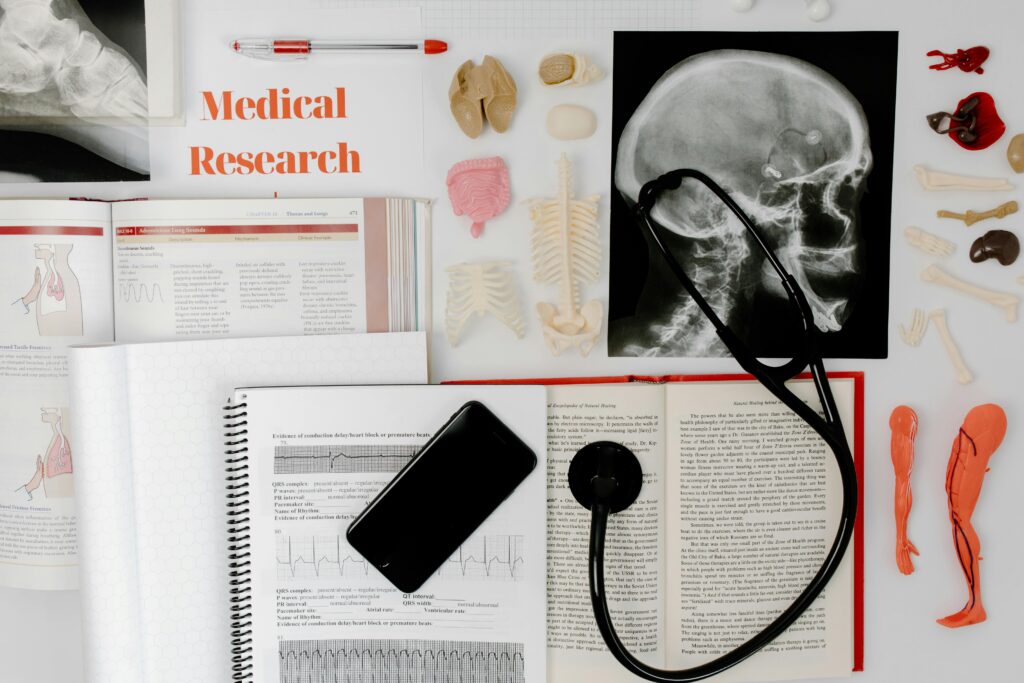
I went straight to a 4 year university after high school. My initial major was in health sciences for a pre-medical track. My plan was to be a doctor.
I was involved in a lot of pre-med related clubs, had a couple on-campus jobs, and took quite a few volunteer opportunities to help prepare for medical school applications.
In my sophomore year of college, I had an existential crisis, and started questioning the logistics of becoming a physician. Here were my concerns:
- I would not be a full fledged doctor until after I was 30. I didn’t want to wait until then to start my life.
- I would be in school for 8 years. I loved school, but not that much.
- Although the topics of anatomy and physiology were interesting to me, I realized that I wouldn’t be able to handle bodily fluids like that in real life.
So, I began considering options. I tried a pre-physician assistant track for a while, but it still didn’t feel right for me. I also considered engineering. However, math was not my strongest skill.
At that point, I chose to drop out of college after finishing my sophomore year, and I started working my first full-time big girl job as a Temp Agency Recruiter. I loved it because I enjoyed talking to people and managing the administrative side of things.
After speaking to my mother in law, I transferred to an accredited online university. Luckily my credits transferred, and I switched my major to Human Resource Management. I started taking college classes again. I thought I would do Recruiting, then HR forever. However, as time went on, I realized that HR wasn’t something I was interested in long-term.
At this point, I stopped taking classes because I had gotten overwhelmed with work and life.
Then, after some dramatic consideration, I explored more of an administrative role with less phone work, and became a sales coordinator/administrative assistant for another company. I was there for a year. During the final months though, I picked up a second job as a hotel night auditor for some extra cash. I hated it and quit after 3 months.
Following that, I took a 6 month break from working and tried to start a business. I returned to work in staffing because it was the first job that interviewed me after I put my resume out there.
I’m still here 6 months later, and I officially started back my classes and changed my major to Business Administration with a concentration in Data Analytics.
I realized I was truly ready to go back to college to finish my degree when I saw the salary ceiling in the staffing world.
When I first picked this new major a couple months ago, I was absolutely set on going into Data Analytics. However, I’m also considering a project coordinator/management role.
It doesn’t matter…as long as I’m building the skills employers want where I’m able to earn a greater salary for my time and effort.
Your story might be simpler or even more complicated than mine, but what we have in common is that we plan to finish a degree in order to open up greater career opportunities.
Challenges of Being a Non-Traditional student

Work commitments.
You have to balance your college classes with your work schedule. This can be tedious and mean late nights and early mornings.
Adult Responsibilities.
You still have to keep up important relationships with your family, pay bills, chores, and deal with other grown-up things. The world doesn’t stop when you go back to school.
Difficulty with College Socialization.
If you’re like me and taking classes online, you’ll find that there aren’t many opportunities to create study groups like you’d find in a college campus. This means that it can feel lonely at times.
Energy management.
We’re only human, so we have a limited capacity. This means it’s important to ration our energy wisely to make sure we can show up for work, college and life.
For a deeper dive into common struggles and solutions for working students, check out this post.
Advantages of being a non-traditional student
Wiser Education Decisions.
You’re older and more mature than you were when you were 18. This means that the choices you make about what college to go to and what you major in is based on what will best serve you…not necessarily only on how you feel.
Greater Financial Stability.
At this point in your life, you have a steady job, so, hopefully, you’re more stable with your money and bills while attending college. You also have greater wisdom on how to spend your money to set your life up for success.
Previous Work Experience.
This is a big one. With your previous work experience, you know what you love, hate, and can tolerate about a job and a workplace. This means that if you worked in finance and hated the work-life balance culture, you know to base your major off of your preferences.
How I explain my non-traditional student path, and how you can too
When I’m explaining my education path to people, I skip most of the details I mentioned above. I just share the very beginning and my current state. Here’s a simplified example you can use:
“I started off as a pre-med student because I wanted to be a doctor. I realized the path wasn’t for me, so I eventually switched to more of an administrative degree. Now I’m pursuing my Bachelor’s in Business Administration online.”
That is much shorter, and gives just enough information to satisfy their initial queries. They may ask some questions after the fact. If they do, you can go into more detail if you wish.
Advice for you if you want to go back to college

Make sure you’re doing it for your own reasons.
Do it for yourself, not for anyone else. It’s common for us to go to college to please our parents and earn social credit.
However, you’re the one who’s going to go through it. If you’re not ready to go back to college yet, or feel that it won’t be a good return on investment for you, hold off. You can most definitely get through life without a college degree.
Research colleges, especially if you plan on going online.
Make sure they are nationally accredited, so your degree is recognized by employers.
There are a lot of websites out there claiming education, but not all of them are legitimate. I decided to go to the online school that my mother-in-law did. Word of mouth helps a lot.
Stay in contact with your academic advisor.
This is especially true if you went to a different school in the past and need to transfer credits. I had to take English Composition a second time. I took an advanced class in high school, and although the first college I went to counted it, my current college didn’t.
Establish your support system with your family.
Let them know that you’ll need help with things around the house. I greatly depend on my husband to take care of chores. I feel bad sometimes, but I do what I can when I can.
Remember that this is only a season, and for more tips that I’ve learned, check out this post as well!
Conclusion
In this post we covered what a non-traditional student is, some pros and cons, and an example of how to share your path with others.
If you’re considering going back to school to finish your degree, I hope you found this information helpful in your decision.
Make sure to join the email list for more tips, info, and resources about going back to college for a career change while working full-time and managing your life.